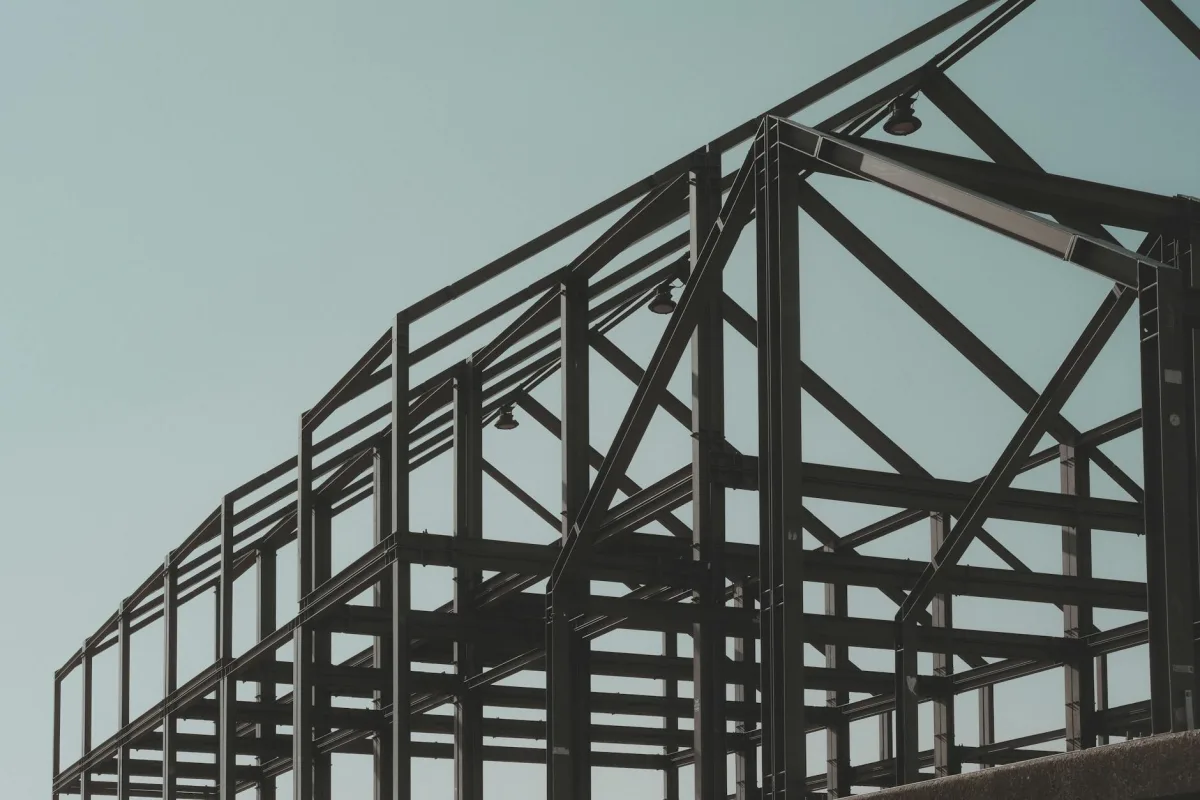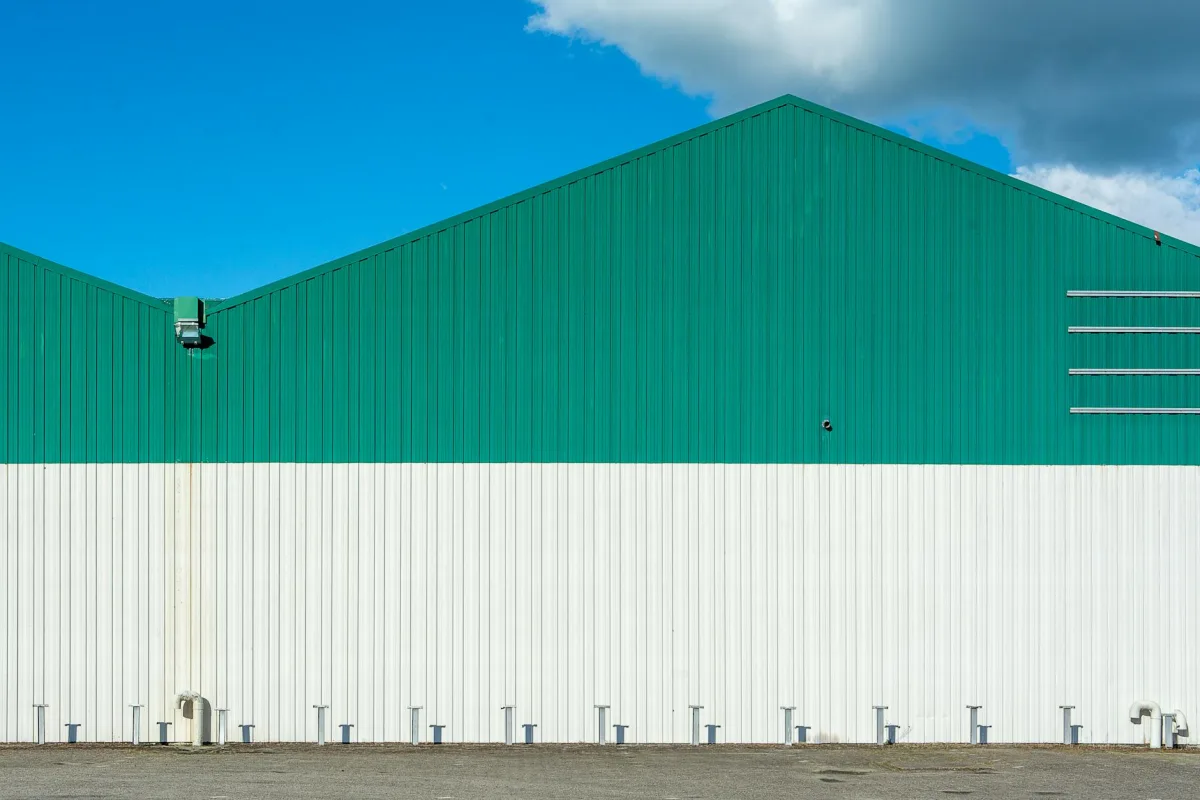
Prefabricated steel buildings are increasingly used in warehouse and industrial development where speed, predictable budgeting, and expansion flexibility matter most.
01
30-90 days
delivery window
project-to-handover typical range
02
20-30%
cost advantage
vs many concrete scenarios
03
up to 36 m
clear span
without intermediate columns
04
year-round
installation
including low-temperature periods
Why the model works
- parallel workflow (foundation + factory fabrication),
- reduced structural mass and foundation scope,
- modular geometry for future extension,
- lower time-to-revenue for owner-operators.
Constraints to account for
- fire resistance strategy must be engineered correctly,
- corrosion protection is lifecycle-critical,
- envelope and detailing quality strongly influence OPEX.
Steel vs traditional concrete (warehouse context)
| Criterion | Prefabricated steel | Traditional concrete |
|---|---|---|
| Build timeline | 30-90 days | 6-18 months |
| Expansion flexibility | high | lower |
| Construction seasonality | high tolerance | more constrained |
| Reconfiguration cost | lower | higher |
Best-fit use cases
Logistics, industrial storage, and expansion-oriented facilities are usually the strongest fit for prefabricated steel systems.
Need a feasibility check for your site?
We can estimate timeline, budget range, and recommended steel configuration for your project.
Ключевой вывод
In Kazakhstan's current market conditions, prefabricated steel buildings are often the most practical format for fast warehouse delivery and controlled project economics.