Choosing the right foundation for steel structures depends on three inputs: soil, load, and seismic context. Lightweight steel frames reduce dead load, but uplift, anchoring precision, and regional climate still drive design decisions.
12-20K ₸/m²
foundation range
by foundation type
4 types
options
column, strip, pile, slab
9 points
Almaty seismicity
MSK-64 context
±5 mm
anchor tolerance
critical for frame fit-up
Why steel foundations differ
Steel-frame buildings are usually much lighter than equivalent reinforced-concrete structures, which can reduce zero-cycle cost. At the same time, foundation design must account for:
- wind uplift and overturning checks,
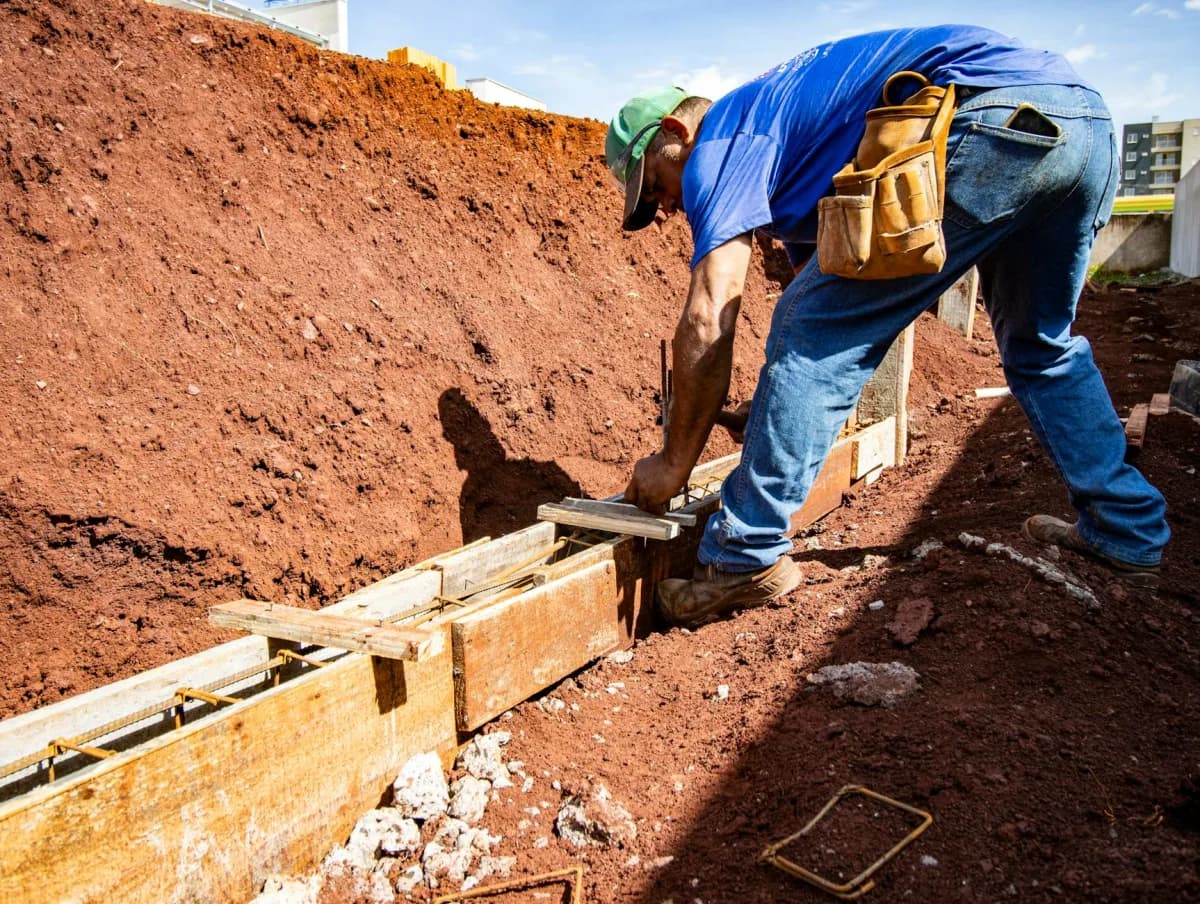
- accurate anchor bolt placement,
- local frost depth and groundwater behavior.
Main foundation types
Column footing
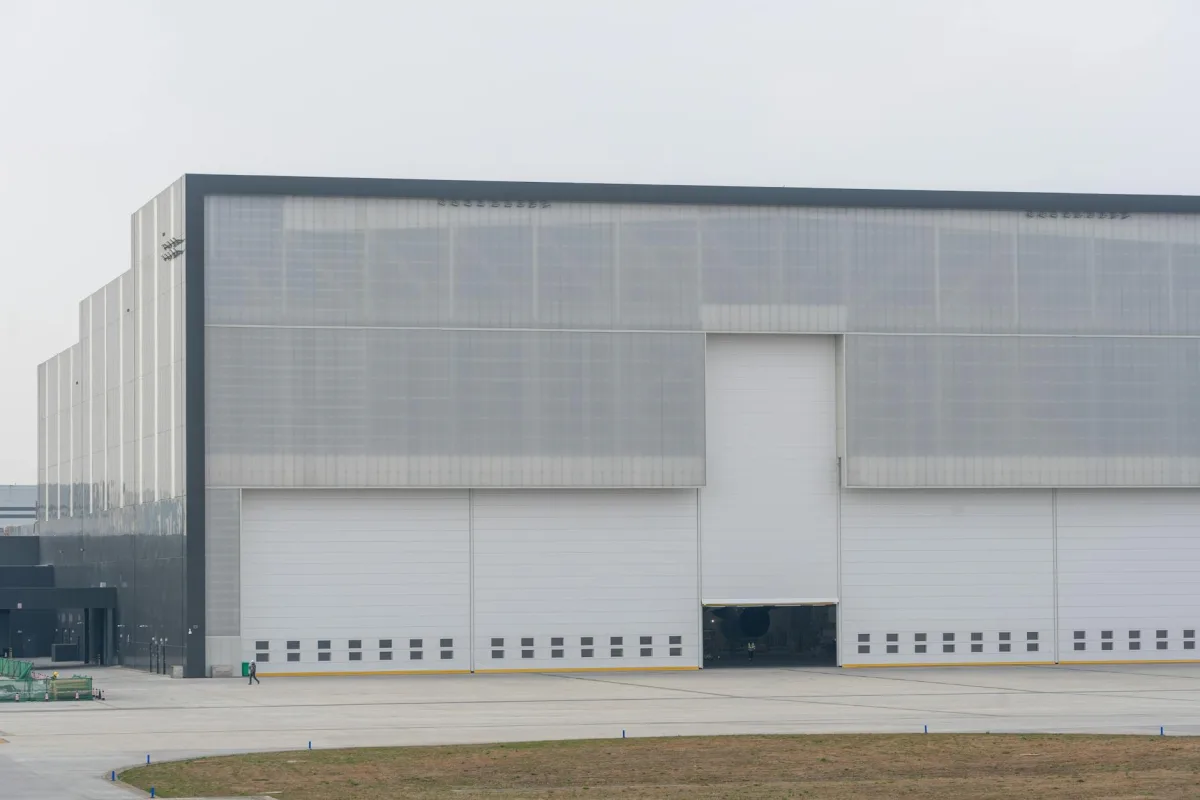
Best for light buildings on stable soils; usually the most budget-friendly option.
Strip foundation
Common universal solution for medium loads and regular soil conditions.
Pile foundation
Used for weak/water-saturated soils or difficult geotechnical conditions.
Monolithic slab
Chosen for high floor loads, intensive forklift traffic, or dense racking.
Comparative table
| Type | Typical use | Cost range |
|---|---|---|
| Column footing | Light hangars, stable soils | 12,000-14,000 ₸/m² |
| Strip foundation | Mid-load warehouses | 14,000-18,000 ₸/m² |
| Pile foundation | Weak or saturated soils | 15,000-20,000 ₸/m² |
| Monolithic slab | Heavy floor loads | 16,000-20,000 ₸/m² |
Geotechnical survey is mandatory
Regional specifics in Kazakhstan
- Astana and northern regions: deep frost depth, higher insulation and frost-heave considerations.
- Almaty and southeast: seismic design checks are critical.
- South and west regions: local soil chemistry and groundwater can influence durability and waterproofing strategy.
Need a foundation pre-estimate?
Send your site and load parameters, and our engineer will recommend a suitable foundation concept within 24 hours.